What are Internet Computer and ICP?
Internet Computer is a decentralized protocol that lets people install and run software on its network, including social media, enterprise apps, personal websites and AI applications. It runs on node machines distributed around the world and maintained by independent node providers.
ICP is the Internet Computer utility token. Within the protocol, ICP can be used for network governance, converted into cycles that pay for Internet Computer resources and used to reward node providers. Cycles are the network’s computational fuel: Developers use them for canisters, which are smart contracts that use storage, CPU and bandwidth.
How to invest in Internet Computer in the US
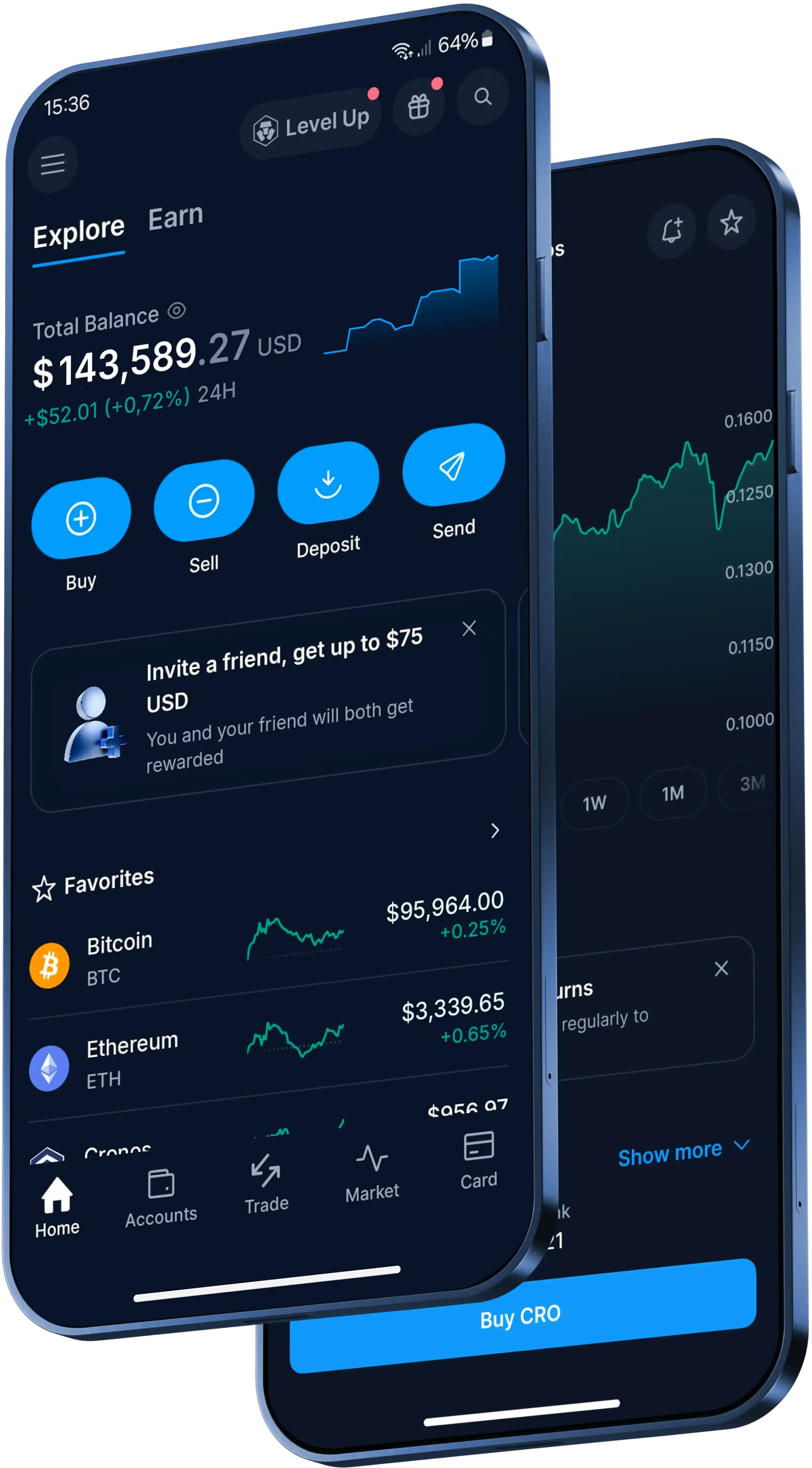
In the Crypto.com App, the basic flow is:
- Sign up and verify your identity.
- Top up your account.
- Go to the trading screen, select Internet Computer and complete your order.
What payment methods can you use for Internet Computer?
You can fund your account and invest in Internet Computer in the Crypto.com App using bank transfers, including ACH or wire, debit or credit cards, Apple Pay, Google Pay, PayPal or crypto deposited from another wallet.
If you deposit crypto, check that the token and address are supported before sending because crypto transactions are irreversible. Trying to deposit a non-supported token may result in the loss of tokens.
What is the minimum Internet Computer investment on Crypto.com?
The minimum amount required to invest in Internet Computer on Crypto.com is US$1. That means you can buy a small fraction of Internet Computer instead of paying for a whole token upfront.
How does Internet Computer investing differ from day trading ICP?
Investing in Internet Computer typically means buying and holding it over a longer period, with the expectation that its value may increase over time. Day trading means actively buying and selling over short timeframes, often within the same day, to try to profit from price volatility.
Day trading requires more time, skill and risk management because outcomes depend heavily on timing and market swings.