

市場
Wrapped Bitcoin
買入
賣出
單次
EUR

WBTC
≈
0.00013950982
WBTC
€50
€150
€500
付款方式:
Google Pay
Apple Pay

USD 帳戶
1-2 工作天 • 免手續費
Credit/debit card
即時 •
2.99%
首 30 日 0% 費用

市場
Wrapped Bitcoin
買入
賣出
單次
EUR
WBTC
≈
0.00013950982
WBTC
€50
€150
€500
付款方式:
Google Pay
Apple Pay
USD 帳戶
1-2 工作天 • 免手續費
Credit/debit card
即時 •
2.99%
首 30 日 0% 費用
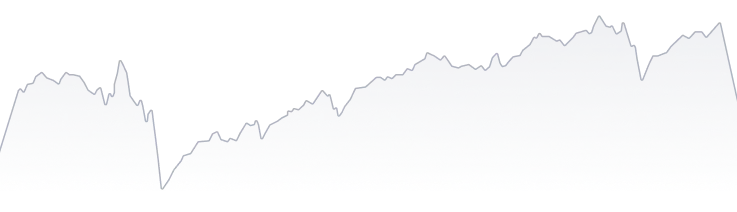
| 時間 | 價格 | 變更 |
|---|---|---|
| 本日 | 0.00% | |
| 1 天 | +€273.82 (0.05%) | |
| 1 週 | -€339.63 (0.62%) | |
| 1 個月 | -€2,920.37 (4.06%) | |
| 1 年 | -€27,663.63 (27.91%) |
市值
€8.35B
排名
#14
24 小時交易量
€86.27M
流通供應量
116,499 WBTC
100% 佔總額比例
歷史高位
€106552.65
-48.65%
歷史低位
€2365.57
96.70%
總供應量
116,499 WBTC
區塊鏈瀏覽器
查看
白皮書
查看
網站
查看
源碼
查看
WBTC
€71,679.54
+0.29%
Wrapped Bitcoin (WBTC) 是一種由資產支持的 ERC20 加密貨幣,由 Ethereum 區塊鏈上的 Bitcoin 以 1:1 比例支持。WBTC 將 Bitcoin 的流動性帶入 Ethereum 生態圈,包括去中心化交易所和金融應用。WBTC 將 Bitcoin 標準化為 ERC20 格式,為 Bitcoin 創建智慧合約。
Wrapped Bitcoin 於 2019 年 1 月推出,屬於 BitGo、Kyber Network 和 Ren 的合作專案。BitGo 是 WBTC 的初始託管人,Kyber Network 和 Ren 是 WBTC 網路上的商家,協助 WBTC 加密貨幣的創建和銷毀,以維持 WBTC 與 BTC 儲備金的 1:1 比例。
Wrapped Bitcoin 是透過中心化託管人 BitGo 將 BTC 整合到 ERC20 標準而創建。WBTC 經創建後,建構在 Ethereum 的去中心化金融應用程式,即可在該網路範圍內運用 BTC 的流動性。此外,WBTC 讓 Ethereum 的服務更易於支援 Bitcoin 交易,同時有助加快交易速度;這是因為 Ethereum 的每秒交易速度比 Bitcoin 更快。
Wrapped Bitcoin 的主要用途,是讓 Bitcoin 持有人可以使用 DeFi 應用程式,例如借出、借入和交易。由於 Bitcoin 本身並不適用採用不同區塊鏈的 DeFi 解決方案,因此將 BTC 轉換為 WBTC,其持有人即可使用 DeFi 服務。
加密貨幣資產可能聲稱其價值與基礎資產 (例如 BTC) 相關。由於此類加密貨幣資產在嘗試維持穩定性的方式上可能有所不同,因此無法量化投資此類資產可能涉及的所有風險。請注意,某些風險通常適用於此類加密貨幣資產。發行人風險:有關加密貨幣資產發行人和/或基礎資產的透明度和可稽核性問題,可能令您無法充分確定基礎現實世界資產的價值是否與自己對相關加密貨幣資產的預期價格相符。當支撐此類加密貨幣資產的現實世界資產價值不如發行人所聲稱時,便會出現此類加密貨幣資產的價值可能低於預期的風險。當某種類型的加密貨幣資產對發行人提供贖回權時,由於包括但不限於發行人破產、資產不足或市場波幅等原因,此權利可能無法行使。演算法風險:當加密貨幣資產使用演算法來維持穩定性時,便會出現演算法可能偏離預期行為或完全失敗的風險,導致相關加密貨幣資產從其預期價值/穩定性「脫鉤」,甚至完全失去其價值。

輕鬆投資,由此開始

交易享高流動性及低費用