市場
Solana
買入
賣出
單次
TWD

SOL
≈
0.0030208155
SOL
$50
$150
$500
付款方式:
Google Pay
Apple Pay

USD 帳戶
1-2 工作天 • 免手續費
Credit/debit card
即時 •
2.99%
首 30 日 0% 費用

市場
Solana
買入
賣出
單次
TWD
SOL
≈
0.0030208155
SOL
$50
$150
$500
付款方式:
Google Pay
Apple Pay
USD 帳戶
1-2 工作天 • 免手續費
Credit/debit card
即時 •
2.99%
首 30 日 0% 費用
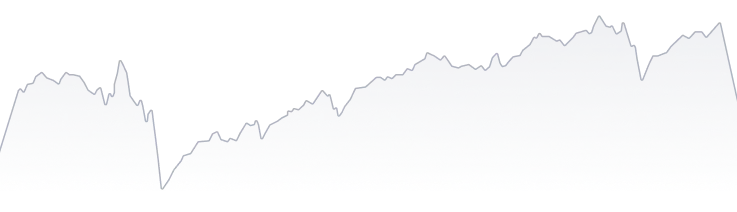
| 時間 | 價格 | 變更 |
|---|---|---|
| 本日 | 0.00% | |
| 1 天 | +$16.20 (0.53%) | |
| 1 週 | +$26.38 (0.95%) | |
| 1 個月 | -$661.92 (16.59%) | |
| 1 年 | -$3,000.19 (47.75%) |
區塊鏈瀏覽器
查看
白皮書
查看
網站
查看
源碼
查看
市場
查看
永續發展披露聲明
查看

Solana price prediction - SOL will hit $1000
Youtube 影片
10 hrs ago

Securitize confirms 12 stocks live on Solana with eligible US access
crypto.news
2 days ago

Big 3
+29.36%
市值
$1.95T
排名
#7
24 小時交易量
$41.3B
流通供應量
589.76M SOL
93% 佔總額比例
歷史高位
$9488.81
-186.64%
歷史低位
$16.05
99.52%
總供應量
636.4M SOL
Ethereum
$76,491.29
+0.42% YTD

reward_campaign__blue_chip_blitz_campaign_svx29bca
reward_campaign__trade_btc_eth_sol_or_xrp_win_from_a_20k_btc__bbtmtp0u
立即參加

Big 3
7 Months



+3

賺取高達 2.75% p.a. 定期發款

輕鬆投資,由此開始

交易享高流動性及低費用
Solana 是高效能的單鏈區塊鏈協定,致力在不犧牲去中心化或安全的情況下,以可擴展性為先。Solana 由一群網路工程師團隊建立,其重點創新之處在於結合兩種共識機制:**歷史證明 (PoH)** 和**權益證明 (PoS)**。該專案旨在成為現代網路應用程式的領先區塊鏈,而這些應用程式需要高吞吐量和低費用。
Solana 的理念是由 **Anatoly Yakovenko** 在 2017 年 11 月構思。他發表了一份白皮書,詳述一種稱為歷史證明的分散式系統全新計時方法。Yakovenko 認為,如 Bitcoin 和 Ethereum 等區塊鏈的主要瓶頸,便是節點同意交易順序所需的時間。他認為,PoH 可以透過創建歷史記錄,以證明事件在特定時刻發生,從而簡化交易排序過程。
2018 年 2 月,Yakovenko 與前 Qualcomm 同事 Greg Fitzgerald 一起發布其白皮書的首個開放源碼實作原型。他們與另一位前 Qualcomm 同事 Stephen Akridge 和其他人共同創立這個專案。他們將其命名為 Solana,靈感來自他們曾居住和衝浪的聖地牙哥海灘。Solana Mainnet 於 2020 年 3 月正式啟動。
Solana 擴展解決方案的核心是其去中心化時鐘,即**歷史證明 (PoH)**。PoH 本身不是共識機制,而是與**權益證明 (PoS)**結合使用。它使用加密函數來創建可驗證的事件序列,有效用作網路全球、無需信任的時間戳。因此,節點不再需要不斷通訊,以同意交易時間和順序,大幅提高網路效率。
這種創新架構允許 Solana 實現極高的交易速度,理論上容量超過每秒 700,000 筆交易 (TPS)。吞吐量高且每筆交易的成本低,對講求速度和效率的應用程式特別顯吸引,例如高頻交易。
Solana 是通用區塊鏈,是 Ethereum 的直接競爭對手。它為開發者提供使用 Rust 程式語言建立應用程式的平台,與 Ethereum 的 Solidity 或 Vyper 有別。Solana 的終端使用者應用包括:
* **去中心化金融 (DeFi):** 網路的速度和低費用非常適合 DeFi 協定,包括如 Serum 等去中心化交易所 (DEX)、信貸平台和其他金融服務。
* **非同質化代幣 (NFT):** 交易成本低,對更多受眾來說,在 Solana 上創建和交易 NFT 更加實惠。
* **遊戲:** Solana 吞吐量高且時延低,非常適合講求快速、即時互動的區塊鏈遊戲和元宇宙。
**SOL** 是 Solana 的原生加密貨幣,有兩個主要功能:用於支付交易費用和質押,有助維護和支持網路。
SOL
$3,310.36
+0.50%
Bitcoin
$2,621,792.14
+0.02% YTD