

Рынок
Ethereum

Покупка
Продажа
Единоразово
TWD

ETH
≈
0.00012830212
ETH
$50
$150
$500
Оплата с:
Google Pay
Apple Pay

USD Аккаунт
1–2 рабочих дня • Без комиссии
Credit/debit card
Мгновенно •
2.99%
0% комиссии первые 30 дней


Рынок
Ethereum
Покупка
Продажа
Единоразово
TWD
ETH
≈
0.00012830212
ETH
$50
$150
$500
Оплата с:
Google Pay
Apple Pay
USD Аккаунт
1–2 рабочих дня • Без комиссии
Credit/debit card
Мгновенно •
2.99%
0% комиссии первые 30 дней
| Время | Цена | Изменение |
|---|---|---|
| Сегодня | 0.00% | |
| 1 день | +$902.70 (1.11%) | |
| 1 неделя | -$3,517.78 (4.40%) | |
| 1 месяц | -$7,976.42 (9.25%) | |
| 1 год | -$51,812.85 (39.45%) |
Ethereum: FAQ
Рыночная кап.
$9.52T
Рейтинг
#2
Объем за 24ч
$324.11B
Циркулирующее предложение
122.15M ETH
100% от общего кол-ва
Исторический макс.
$146319.27
-87.73%
Исторический мин.
$14.63
99.98%
Общее предложение
122.15M ETH
Обозреватели
Просмотр
Whitepaper
Просмотр
Сайт
Просмотр
Исходный код
Просмотр
Раскрытие информации об устойчивом развитии
Просмотр
ETH
$77,941.03
+1.19%
Ethereum — это программируемый блокчейн, который позволяет разработчикам создавать и развертывать децентрализованные приложения (dApp) и смарт-контракты. Его нативной криптовалютой является Ether (ETH). Будучи полной по Тьюрингу платформой, она может выполнять сложный код и стала второй по величине криптовалютой по рыночной капитализации после Bitcoin.
Ethereum был впервые предложен в 2013 году в white paper Виталиком Бутериным, который представил платформу, которая может делать больше, чем просто облегчать транзакции с цифровой валютой. После успешного первичного предложения монет (ICO) в 2014 году, блокчейн Ethereum был официально запущен в 2015 году.
Важным событием в истории Ethereum стало «Merge» — крупное обновление, которое произошло в 2022 году. Этот переход изменил механизм консенсуса сети с энергоемкой модели Proof of Work (PoW) на более эффективную модель Proof of Stake (PoS). Это изменение было направлено на повышение масштабируемости, безопасности и устойчивости сети.
Ethereum представил концепцию платформы смарт-контрактов. Это самоисполняющиеся контракты, условия которых прямо прописаны в строках кода. Они работают на блокчейне, поэтому прозрачны, неизменяемы и не требуют третьей стороны для обеспечения соблюдения условий. Пользователи платят сетевую комиссию, известную как газ, в Ether для выполнения этих смарт-контрактов и других транзакций.
Кроме того, блокчейн Ethereum может содержать другие криптовалюты, известные как токены, которые созданы с использованием стандарта совместимости ERC20.
Нативная валюта Ethereum, Ether (ETH), используется для оплаты комиссий за транзакции в сети. Тем не менее, полезность платформы выходит далеко за рамки просто валюты. Разработчики используют Ethereum для создания и запуска децентрализованных приложений (dApp) и выпуска новых криптоактивов. Платформа способствовала созданию обширной экосистемы вариантов использования, в том числе:
- Децентрализованные финансы (DeFi): финансовые приложения, такие как кредитование, заимствование и торговля без посредников.
- Невзаимозаменяемые токены (NFT): уникальные цифровые активы, используемые для искусства, коллекционирования и игр.
- Play-to-Earn: игры, которые позволяют игрокам зарабатывать криптовалюту или NFT в процессе игры.
- децентрализованные автономные организации (DAO): организации, работающие на основе кода и управляемые владельцами токенов.
Узнайте больше об истории Ethereum, его ключевых характеристиках и токеномике.

Big 3
+29.38%

BTC-ETH Duo
+26.57%

DeFi
+58.1%

🔴 TRADING LIVE: Bitcoin (BTC) & Ethereum (ETH) Sensex Option & Futures Scalping! 19 oct 26
Видео на YouTube
6 hrs ago

Ethereum Sets October 26 Hoodi Test For Glamsterdam Upgrade As 200M Gas Limit Nears
NewsBTC
25 mins ago
Bitcoin
$2,660,963.93
+0.98% YTD
Solana
$3,378.03
+1.69% YTD
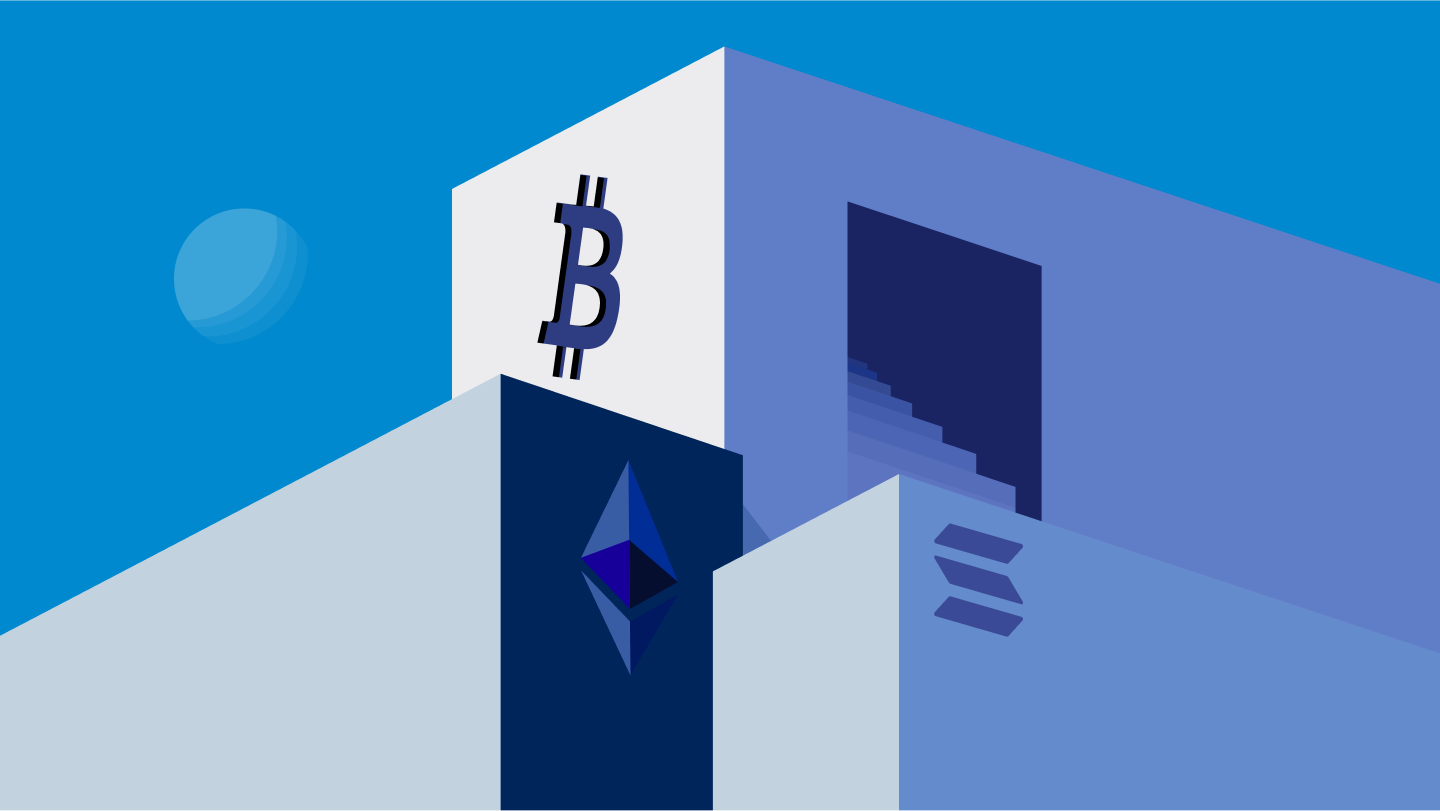
Big 3
7 Months

+3

Зарабатывайте до 2% p.a. с регулярными выплатами

Инвестируйте без стресса

Торговля с высокой ликвидностью и низкими комиссиями