

Tržište
Wrapped Bitcoin
Kupi
Prodaj
Jednokratno
RUB

WBTC
≈
0.0000013810536
WBTC
₽50
₽150
₽500
Platite s
Google Pay
Apple Pay

USD Račun
1-2 radna dana • Bez naknada
Credit/debit card
Instant •
2.99%
0% naknade prvih 30 dana
Tržište
Wrapped Bitcoin
Kupi
Prodaj
Jednokratno
RUB
WBTC
≈
0.0000013810536
WBTC
₽50
₽150
₽500
Platite s
Google Pay
Apple Pay
USD Račun
1-2 radna dana • Bez naknada
Credit/debit card
Instant •
2.99%
0% naknade prvih 30 dana
Tržišna kapitalizacija
₽843.55B
Rang
#16
24H opseg
₽10.15B
Cirkulirajuća zaliha
116,499 WBTC
100% od ukupnog
Najviša cijena
₽11055167.08
-52.68%
Najniža cijena
₽28244.57
99.61%
Ukupna zaliha
116,499 WBTC
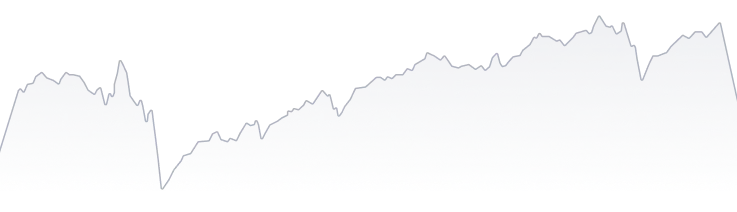
| Vrijeme | Cijena | Promjena |
|---|---|---|
| Danas | 0.00% | |
| 1 dan | -₽50,532.04 (0.33%) | |
| 1 tjedan | +₽169,619.92 (2.63%) | |
| 1 mjesec | +₽470,255.56 (7.02%) | |
| 1 godina | -₽3,312,789.44 (30.85%) |
WBTC
₽7,240,848.48
+0.88%
Preglednici
Pogledaj
Bijela knjiga
Pogledaj
Web stranica
Pogledaj
Izvorni kod
Pogledaj
Wrapped Bitcoin (WBTC) is an asset-backed ERC20 token backed 1:1 by Bitcoin on the Ethereum blockchain. WBTC brings the liquidity of Bitcoin to the Ethereum ecosystem, including decentralised exchanges (DEXs) and financial applications. WBTC standardises Bitcoin to the ERC20 format, creating smart contracts for Bitcoin.
Wrapped Bitcoin was launched in January 2019 as a joint project by BitGo, Kyber Network, and Ren. BitGo serves as the original custodian of WBTC, while Kyber Network and Ren serve as merchants on the WBTC network, aiding in the minting and burning of WBTC tokens to maintain the 1:1 ratio of WBTC to BTC reserves.
Wrapped Bitcoin is created as a result of integrating BTC in the ERC20 standard through centralised custodian BitGo. Upon its creation, WBTC makes it possible for decentralised finance applications built on Ethereum to access BTC’s liquidity from the confines of this network. WBTC also makes it easier for Ethereum-based services to support Bitcoin transactions while making transactions faster, as Ethereum’s transaction-per-second speed outpaces Bitcoin’s
Wrapped Bitcoin’s main use is providing Bitcoin holders with access to DeFi applications such as lending, borrowing, and trading. Since Bitcoin per se can’t be used on DeFi solutions located in different blockchains, the act of swapping BTC into WBTC unlocks DeFi opportunities for its holders.
cryptoassets that may claim their value is linked to underlying assets (eg. BTC). As such cryptoassets may differ in how they seek to maintain stability, it is not possible to quantify all of the risks that may be associated with investing in such assets. However, there are some risks that will typically apply to these types of cryptoassets. Issuer risk: Issues around the transparency and auditability of the cryptoassets’ issuer and/or underlying assets such that you may not be able to adequately verify that the value of the underlying real-world assets matches your expected price of the relevant cryptoasset. Where the real-world assets underpinning such cryptoassets are not worth what the issuer claims, there is a risk that the value of such cryptoassets may fall below that which you expect. Where a type of cryptoasset provides a right of redemption over the issuer, this may not be exercisable for reasons including, but not limited to, the issuer becomes insolvent, there being insufficient assets, or market volatility. Algorithmic risk: Where a cryptoasset uses an algorithm to maintain stability, there is a risk that the algorithm could deviate from expected behaviour or fail entirely, causing the relevant cryptoasset to ‘depeg’ from its expected value / stability or even lose its value altogether.

Učinite ulaganje bez stresa
Trgujte s visokom likvidnošću i niskim naknadama