

Tržište
Tether
Kupi
Prodaj
Jednokratno
AUD
USDT
≈
6.9814
USDT
$50
$150
$500
Platite s
Google Pay
Apple Pay

USD Račun
1-2 radna dana • Bez naknada
Credit/debit card
Instant •
2.99%
0% naknade prvih 30 dana
Tržište
Tether
Kupi
Prodaj
Jednokratno
AUD
USDT
≈
6.9814
USDT
$50
$150
$500
Platite s
Google Pay
Apple Pay
USD Račun
1-2 radna dana • Bez naknada
Credit/debit card
Instant •
2.99%
0% naknade prvih 30 dana
Tether Najčešća pitanja
Preglednici
Pogledaj
Bijela knjiga
Pogledaj
Web stranica
Pogledaj
Tržišna kapitalizacija
$263.69B
Rang
#3
24H opseg
$88.36B
Cirkulirajuća zaliha
184.09B USDT
97% od ukupnog
Najviša cijena
$2.36
-64.51%
Najniža cijena
$0.62
56.59%
Ukupna zaliha
189.32B USDT

OKX Targets the Mass Market With New Stablecoin-Focused Money App
TheNewsCrypto
8 hrs ago
USDT
$1.4324
-0.25%
Tether (USDT) is a **stablecoin**, a type of cryptocurrency that is pegged to the US dollar. It is currently the most popular stablecoin in the market. According to Tether, each USDT is backed 100% by actual assets in the company's reserve accounts, with each unit having a monetary value of $1.00 USD. This design provides users with protection from the high volatility of other cryptocurrencies.
Tether was originally named Realcoin and was created in July 2014 by Brock Pierce, Reeve Collins, and Craig Sellars. It was initially launched as a second-layer token built on top of the Bitcoin blockchain using the Omni Layer protocol. The project was later renamed to USTether and then to its current name, USDT. Tether has since expanded its operations and now works on multiple other blockchains, including Ethereum, EOS, Tron, Algorand, and Cronos.
The core of Tether's utility comes from the company's guarantee that each USDT token is pegged to the US dollar. Tether claims that whenever it issues new USDT tokens, it allocates the same amount of USD or equivalent assets to its reserves. This process ensures that USDT is fully backed by cash and cash equivalents, which in turn helps to maintain its 1:1 peg to the US dollar.
As a stablecoin, USDT combines the unrestricted nature of cryptocurrencies—which can be sent between users without a trusted third-party intermediary—with the stable value of the US dollar. This stability makes USDT a popular trading option for people who want to preserve the fiat value of their investments. Instead of converting their crypto to fiat currency during times of market volatility, traders can simply swap their assets for USDT.
While stablecoins like Tether are designed to be stable, they are not without risks. Some of the most common risks include:
* **Issuer Risk:** This is the risk that the issuer's claims about their underlying asset reserves are not transparent or auditable, making it difficult for users to verify that the value of the assets matches the number of tokens in circulation. If the reserves are not worth what the issuer claims, the value of the stablecoin may fall below its peg. In addition, the right to redeem the stablecoin for its underlying asset may not be exercisable if the issuer becomes insolvent or if there is a "bank run" on the assets.
* **Currency Risk:** Since many stablecoins are pegged to the US dollar, users who trade using a different fiat currency (e.g., British Pounds) are exposed to changes in the US Dollar exchange rate.
* **Depeg Risk:** An algorithmic stablecoin uses a decentralized algorithm to maintain its stability, without direct asset backing. If the algorithm fails or deviates from its expected behavior, it could cause the stablecoin to "depeg" from its intended value and lose its value entirely. While USDT is not an algorithmic stablecoin, it can still "depeg" if its reserves are not sufficient or if there is a loss of confidence in the issuer.
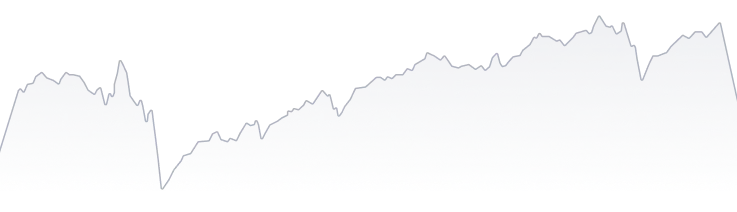
| Vrijeme | Cijena | Promjena |
|---|---|---|
| Danas | 0.00% | |
| 1 dan | +$0.000033 (0.01%) | |
| 1 tjedan | +$0.00036 (0.02%) | |
| 1 mjesec | -$0.00075 (0.05%) | |
| 1 godina | +$0.0018 (0.12%) |

Učinite ulaganje bez stresa

Trgujte s visokom likvidnošću i niskim naknadama